In a bold move aimed at accelerating adoption and fostering ecosystem expansion, TRON, one of the largest and fastest-growing blockchain platforms, recently slashed its gas fees by 60%. This strategic fee reduction marks one of the most substantial cuts in the network’s history and signals TRON’s dedication to making blockchain transactions more affordable and accessible, especially in emerging markets and decentralized application (dApp) sectors.
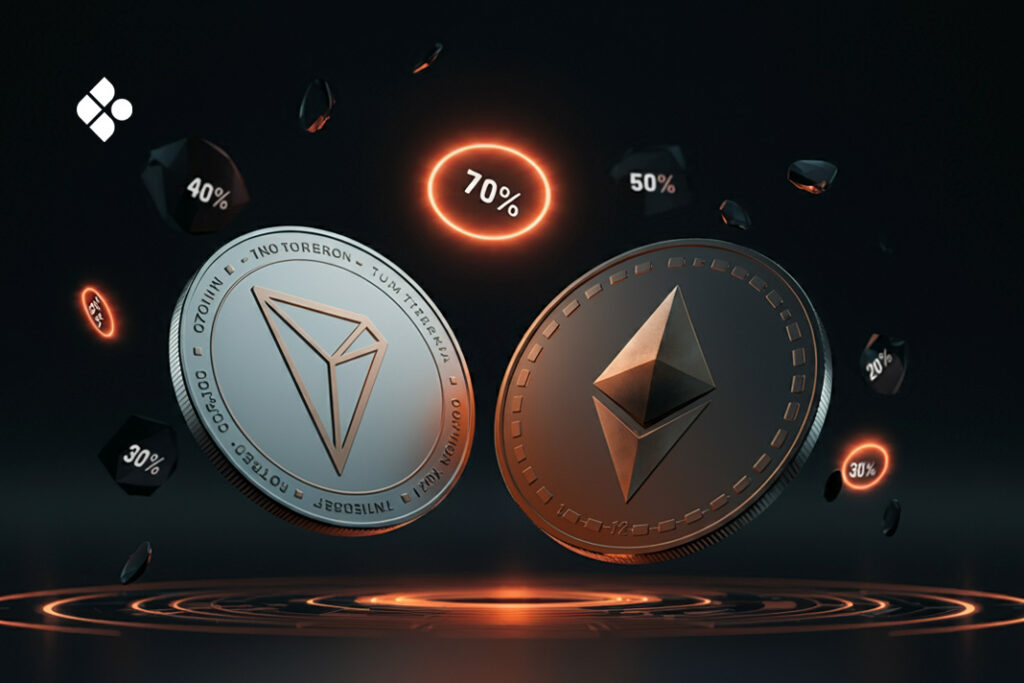
For blockchain networks, gas fees represent the cost users pay to execute transactions or smart contracts. High fees have long been a barrier in achieving mass adoption, particularly in DeFi, gaming, NFTs, and micropayment use cases where users often transact frequently but with small amounts. TRON’s energy unit price dropped from 210 sun to 100 sun (the smallest divisible unit of TRX), effectively halving transaction costs across the platform. This adjustment came into effect on August 29, 2025, following a community-driven governance proposal approved by TRON’s Super Representative network, signaling broad support for this transformative change.
The rationale behind this bold reduction is compelling. Despite TRON’s reputation for high-speed throughput—boasting over 2,000 transactions per second and sub-5-second block confirmation times—the rising cost of executing transactions had begun to dampen enthusiasm. Market data indicated that transaction volumes were at risk of plateauing due to escalating fees, especially as TRX’s price increased, translating into higher dollar denominated gas costs. Lower fees are expected to lower entry barriers for new users and developers, fostering innovation and encouraging more frequent on-chain activity.
This price drop is particularly crucial for markets that rely on microtransactions or dApps with high user interaction, such as decentralized gaming, stablecoin transfers, and social platforms. With lower expenses, TRON is better positioned to compete with Ethereum, Solana, and Binance Smart Chain, networks historically plagued or praised for their respective fee structures and scalability.
The immediate impact was significant: daily network fees collected by TRON’s block producers (called Super Representatives) dropped by around 64%, falling from nearly $14 million to $5 million in just ten days following the change. Although this revenue decline presents short-term challenges for the network’s validators, the TRON Foundation and community see it as an essential trade-off for long-term sustainability and user growth.
Strategically, the fee cut aligns with TRON’s broader vision to become the go-to blockchain for mass-market applications and real-world adoption. The network has witnessed a 28% quarterly increase in transaction volume in recent months, and this price adjustment is aimed at boosting that growth trajectory further—especially in emerging markets where consumers and developers are particularly sensitive to transaction costs.
Beyond the numbers, this fee reduction serves as a clear message to the blockchain industry: prioritizing user experience and affordability over short-term revenue can lead to greater ecosystem health and vitality. The move underscores TRON’s confidence in its underlying technology, particularly its capacity to handle high throughput without sacrificing decentralization or security.
Moreover, the TRON Foundation has announced plans to reinvest saved funds from fee reductions into infrastructure upgrades and network security improvements. These enhancements will address inflationary risks, enhance network scalability, and improve resilience against potential vulnerabilities—ensuring that the platform remains competitive amid the fast-evolving blockchain landscape.
From a developer perspective, cheaper gas fees reduce operational costs, making TRON a more attractive platform to build dApps, DeFi protocols, and NFT projects. Lower costs can fuel experimentation and expansion, ultimately enriching the TRON ecosystem’s variety and depth. Increased developer engagement is often correlated with higher user retention and transaction volumes, creating positive network effects.
Community sentiment regarding the gas fee cut has been overwhelmingly positive. Traders, investors, and dApp users welcomed the change on social media, appreciating that affordability can unlock new use cases previously hindered by cost concerns. According to TRON community member GrothenDI, who proposed the reduction, this cut could add up to 12 million additional potential transfers, accelerating network activity and adoption.
Looking ahead, TRON’s fee strategy may set an industry benchmark and challenge other leading layer-1 blockchains to find more balanced models between fee income and ecosystem growth. It also positions TRON favorably as blockchain technology becomes increasingly mainstream, with applications moving into industries like gaming, entertainment, and supply chain, where high fees would otherwise limit blockchain utility.
In conclusion, TRON’s aggressive gas fee reduction is a pivotal step in making blockchain technology truly accessible for all. By lowering transaction costs by 60%, TRON is fueling ecosystem adoption, empowering developers, and expanding user engagement. The trade-off in short-term revenue for block producers is outweighed by the immense potential for sustained growth and innovation. As the network continues to enhance its infrastructure and security, TRON is poised to solidify its place among the world’s leading blockchain platforms—championing a future where blockchain is fast, affordable, and widely used.
This milestone exemplifies the future direction of blockchain scaling: reducing friction for users, incentivizing active participation, and balancing economic models to reach the masses. For developers, investors, and users looking for a high-performance, low-cost blockchain ecosystem, TRON’s gas fee cut offers a new horizon filled with opportunities and growth.
In conclusion, TRON’s aggressive gas fee reduction is a pivotal step in making blockchain technology truly accessible for all. By lowering transaction costs by 60%, TRON is fueling ecosystem adoption, empowering developers, and expanding user engagement. The trade-off in short-term revenue for block producers is outweighed by the immense potential for sustained growth and innovation. As the network continues to enhance its infrastructure and security, TRON is poised to solidify its place among the world’s leading blockchain platforms—championing a future where blockchain is fast, affordable, and widely used.
This milestone exemplifies the future direction of blockchain scaling: reducing friction for users, incentivizing active participation, and balancing economic models to reach the masses. For developers, investors, and users looking for a high-performance, low-cost blockchain ecosystem, TRON’s gas fee cut offers a new horizon filled with opportunities and growth.
In conclusion, TRON’s aggressive gas fee reduction is a pivotal step in making blockchain technology truly accessible for all. By lowering transaction costs by 60%, TRON is fueling ecosystem adoption, empowering developers, and expanding user engagement. The trade-off in short-term revenue for block producers is outweighed by the immense potential for sustained growth and innovation. As the network continues to enhance its infrastructure and security, TRON is poised to solidify its place among the world’s leading blockchain platforms—championing a future where blockchain is fast, affordable, and widely used.
This milestone exemplifies the future direction of blockchain scaling: reducing friction for users, incentivizing active participation, and balancing economic models to reach the masses. For developers, investors, and users looking for a high-performance, low-cost blockchain ecosystem, TRON’s gas fee cut offers a new horizon filled with opportunities and growth.