In a bold and controversial move that has both shaken the cryptocurrency world and captivated Wall Street, Tether recently announced the launch of its newest stablecoin, USAT—a U.S.-regulated, dollar-backed digital asset designed specifically for the American market. Adding fuel to the fire was Tether’s appointment of Bo Hines, an ex-White House crypto policy advisor under President Donald Trump, as the head of this new initiative. The decision sparked fierce debate and left many questioning: is this a masterstroke of strategy, or a brewing scandal that could affect the fragile balance of trust in crypto?
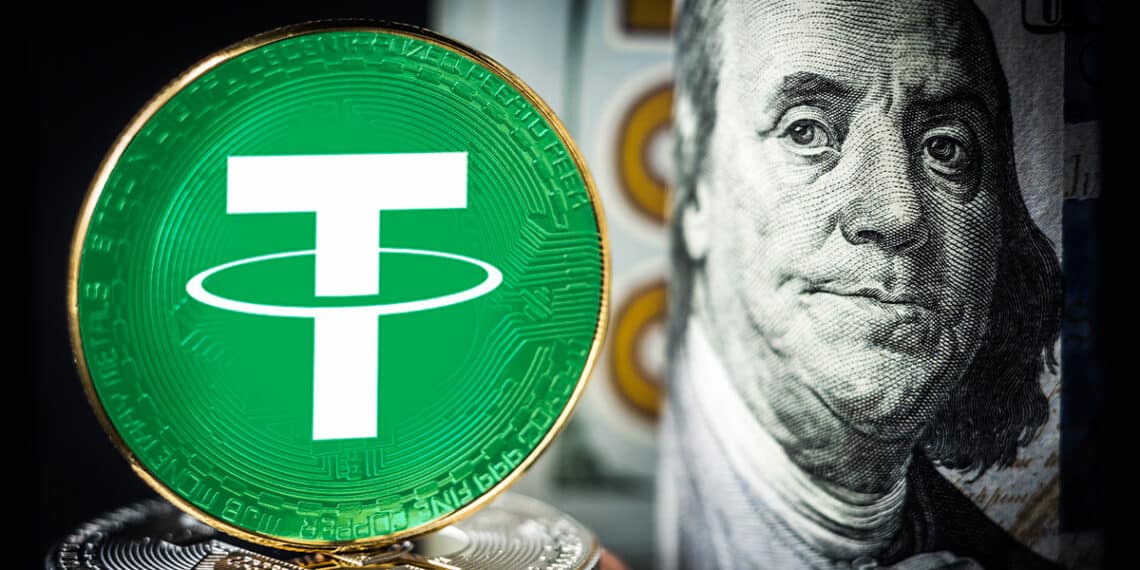
Stablecoins like Tether’s renowned USDT have long been central to digital finance, serving as a digital dollar for millions worldwide. Yet USDT’s global footprint has been shadowed by controversies surrounding transparency and regulatory compliance. That backdrop makes the unveiling of USAT even more significant: it isn’t simply a new token; it’s a deliberate push by Tether to realign itself with stringent U.S. regulations while staking a claim on the lucrative American market.
USAT will be governed by the recently enacted GENIUS Act, which imposes strict requirements on stablecoins issued or offered to U.S. users—such as full backing by liquid assets like U.S. dollars and Treasury bills, regular public disclosures, and partnerships with federally chartered banks. For this venture, Anchorage Digital Bank, a federally regulated crypto bank, will issue USAT, and Cantor Fitzgerald will serve as the custodian of the reserves. This high-profile institutional partnership sends a clear message: Tether wants to operate with transparency and confidence in an industry desperate for such assurances.
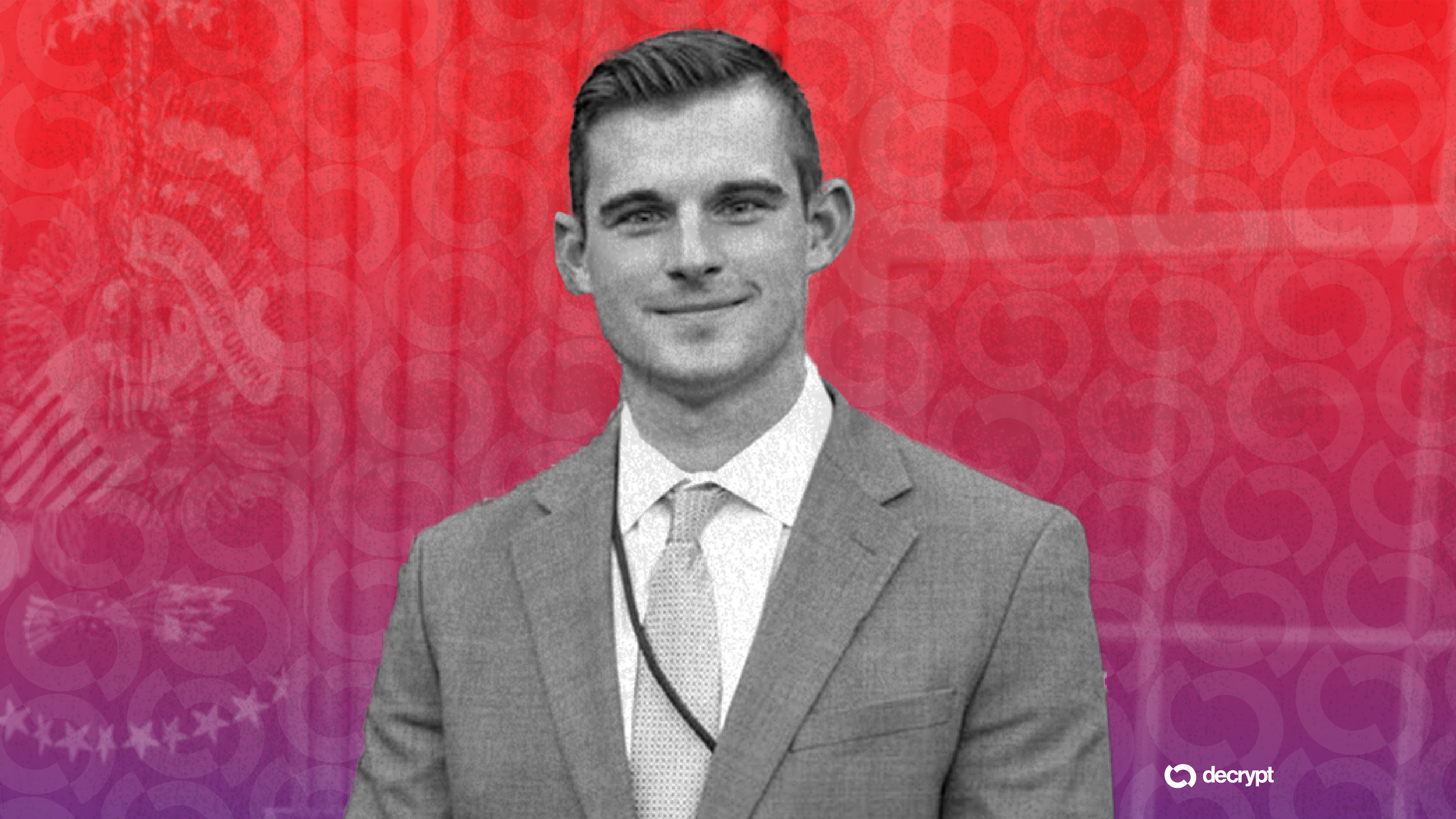
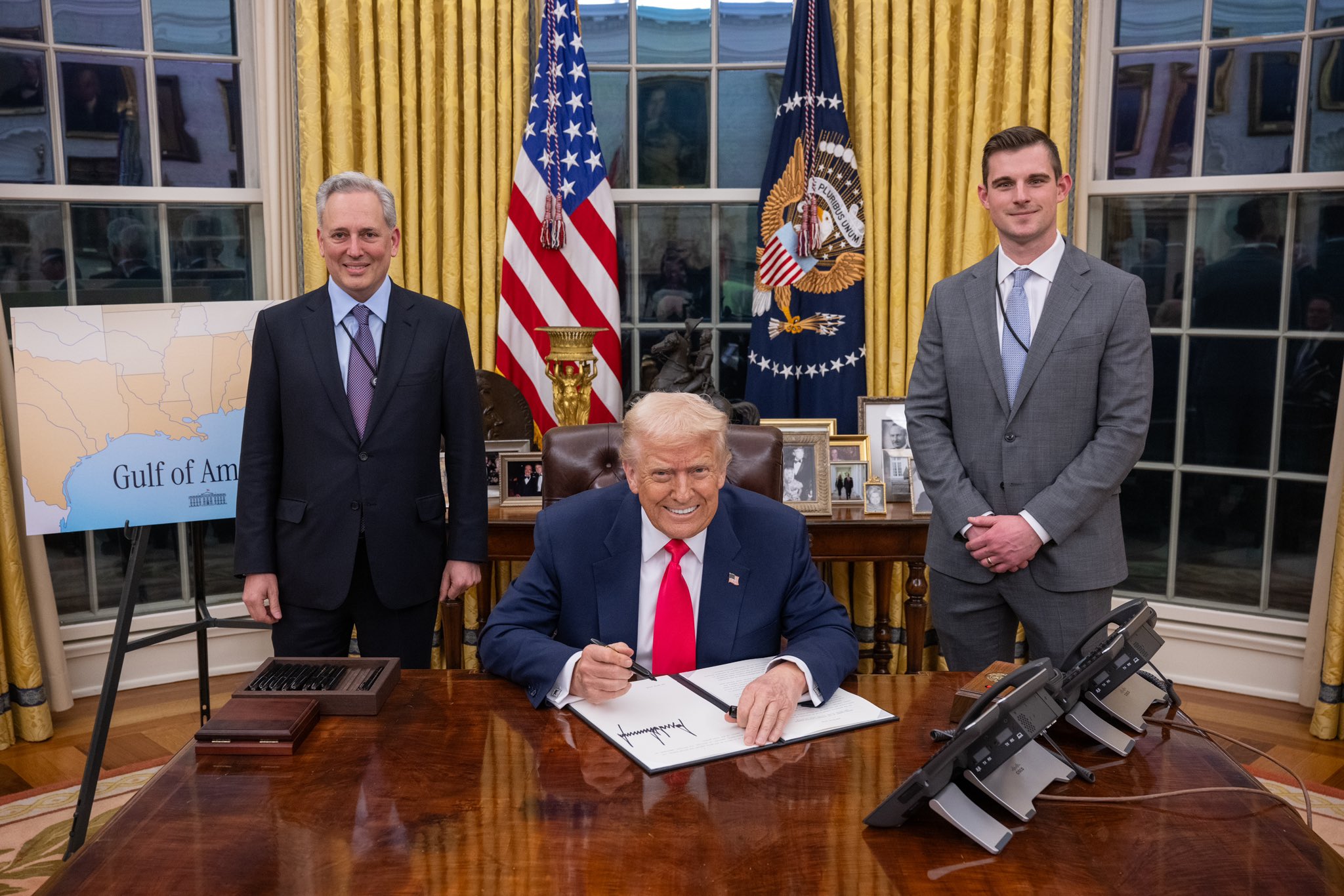
Enter Bo Hines, whose profile is catching just as much public and industry attention as the token itself. A former White House executive director of the Crypto Council, Hines embodies the intersection of government policy and cryptocurrency innovation. His appointment marks Tether’s strategic choice to bring a politically connected, regulation-savvy leader into the fold—someone capable of navigating the complex regulatory terrain while steering Tether towards legitimacy on American soil.
Yet, some critics view the move with suspicion. Given Hines’ recent departure from the White House and his Trump administration connections, questions abound regarding potential conflicts of interest or undue political influence in the burgeoning US crypto sector. Detractors worry that the move may open doors to regulatory privileges or set a precedent complicating fair competition. The juxtaposition of political insider leadership with a company trying to shake off past accusations of opacity has led to whispers of scandal amid excitement.

On the other hand, supporters contend this is a calculated and wise alignment by Tether. In a market crowded with rivals like Circle’s USDC and Paxos, both offering more regulated stablecoins, Tether’s pivot towards compliance is seen as essential survival strategy. With Bo Hines at the helm, Tether gains not just an experienced leader but a direct channel to policy influencers and regulators—an advantage when building trust and shaping favorable regulations.
The USAT rollout is set to reshape how U.S. financial institutions, businesses, and consumers engage with digital dollars. Its architecture—built for speed, transparency, and integration with tokenized real-world assets—promises efficiency and new opportunities in payments, lending, and digital asset management. It’s more than a coin; it’s a full ecosystem aimed at bridging blockchain technology with traditional finance.
Wall Street’s response has been mixed. While many investors are optimistic about USAT’s potential to expand crypto adoption and open fresh revenue streams, some financial veterans warn of ongoing risks. These include potential oversaturation of the stablecoin market, the regulatory uncertainty still lurking around crypto, and the challenge of repairing public trust after years of Tether controversies. Institutional players now watch closely how USAT performs under increased scrutiny.
From a broader lens, USAT’s launch, paired with Bo Hines’ appointment, underscores a pivotal transformation moment in crypto. It signals maturity—where innovation meets prudence and where government oversight is welcomed as part of a broader push towards legitimacy. The initiative reflects a growing acceptance that crypto’s future in the U.S. depends on robust governance, institutional partnerships, and leaders who can bridge worlds.
For Tether, known for pioneering stablecoins with USDT’s massive $169 billion market cap, USAT is both a challenge and a chance to rewrite the narrative. If successful, it could redefine digital money’s role in American finance and cement Tether’s dominance under a cleaner, regulatory-friendly banner.
Yet, public perception will be a crucial test. Will Americans embrace a politically linked CEO in charge of their digital dollars? Can Tether overcome years of skepticism and deliver on promises of transparency and security? These questions linger as USAT prepares for its official debut, expected by the end of 2025.

In the clash of scandal and strategy, Tether has thrown a gauntlet to the industry—demonstrating how closely crypto, finance, and politics are entwined. As regulators, investors, and the public weigh the promise of USAT against the shadows of its past and the hue of its leadership, the launch will be a defining chapter for the decentralized economy’s role in America’s financial future.
This is more than a product launch. It’s a bold political and market signal that digital finance is ready to enter the mainstream—by playing by the strictest rules and led by a new breed of leaders forged at the crossroads of policy and innovation. The ripple effects of this move will be felt beyond crypto, reshaping Wall Street, regulation, and possibly the very nature of money in the 21st century.