In a move that has sent waves through the financial and crypto worlds, Tether, the largest stablecoin issuer, has announced the launch of USAT, a U.S.-regulated, dollar-backed stablecoin designed specifically for the American market. The unveiling of USAT marks a strategic pivot for Tether, signaling its deeper commitment to comply with U.S. regulatory frameworks and to address longstanding concerns around transparency and trust.
The new stablecoin is to be issued under the recently passed GENIUS Act, which mandates stablecoins offered to U.S. consumers be backed by liquid assets such as U.S. dollars or short-term Treasury securities. This regulatory compliance framework aims to provide greater security and confidence to users and institutional investors by requiring full asset backing and regular public disclosures. USAT will be issued via Anchorage Digital Bank, a federally chartered crypto bank, with Cantor Fitzgerald serving as custodian of the reserves, further reinforcing the institutionally sound model.
One of the most striking aspects of this announcement was the appointment of Bo Hines as the CEO of Tether’s US operations. Bo Hines, a former top White House crypto policy advisor during the Trump administration, brings invaluable government and regulatory experience. His leadership represents the bridge between Washington’s policy environment and the fast-evolving world of cryptocurrency. This choice signals Tether’s bid not only to innovate but also to shape its future under a compliant, regulation-friendly framework in the U.S.
The timing of USAT’s launch is crucial. As the U.S. Senate approved the GENIUS Act earlier in the year to clarify stablecoin regulation, major players such as Circle (issuer of USDC) and Paxos have moved ahead with regulated coin offerings that comply with this law. Tether, which has faced significant scrutiny and regulatory challenges over the years, appears to be making a calculated push to reclaim dominance by embracing regulatory legitimacy.
USAT promises to be more than just a digital dollar. It will leverage Tether’s vast infrastructure, but with a new onshore regulatory approach that might encourage broader adoption among U.S. financial institutions and retail users. The underlying technology is designed to facilitate tokenization of real-world assets, improve transaction speeds, and integrate seamlessly with traditional financial rails. For businesses and consumers alike, this translates into faster, cheaper, and more secure financial services.
Wall Street’s reaction to the launch was a mix of cautious optimism and scrutiny. Institutional investors lauded the regulatory alignment and partnership with federally chartered institutions, interpreting these moves as essential for crypto’s future. Skeptics, however, raised concerns about Tether’s past controversies—particularly around transparency and reserve backing—and questioned whether the company could fully change its image and operate flawlessly under these new standards.
The appointment of Bo Hines—given his White House background—also raised eyebrows. Some observers speculated whether political connections might ease regulatory hurdles, while others argued that Hines’ insight into policy makes him ideally suited to navigate the complex intersection of crypto innovation and U.S. regulation effectively. Regardless, his leadership adds a new dimension to Tether’s U.S. strategy, blending insider knowledge with industry expertise.
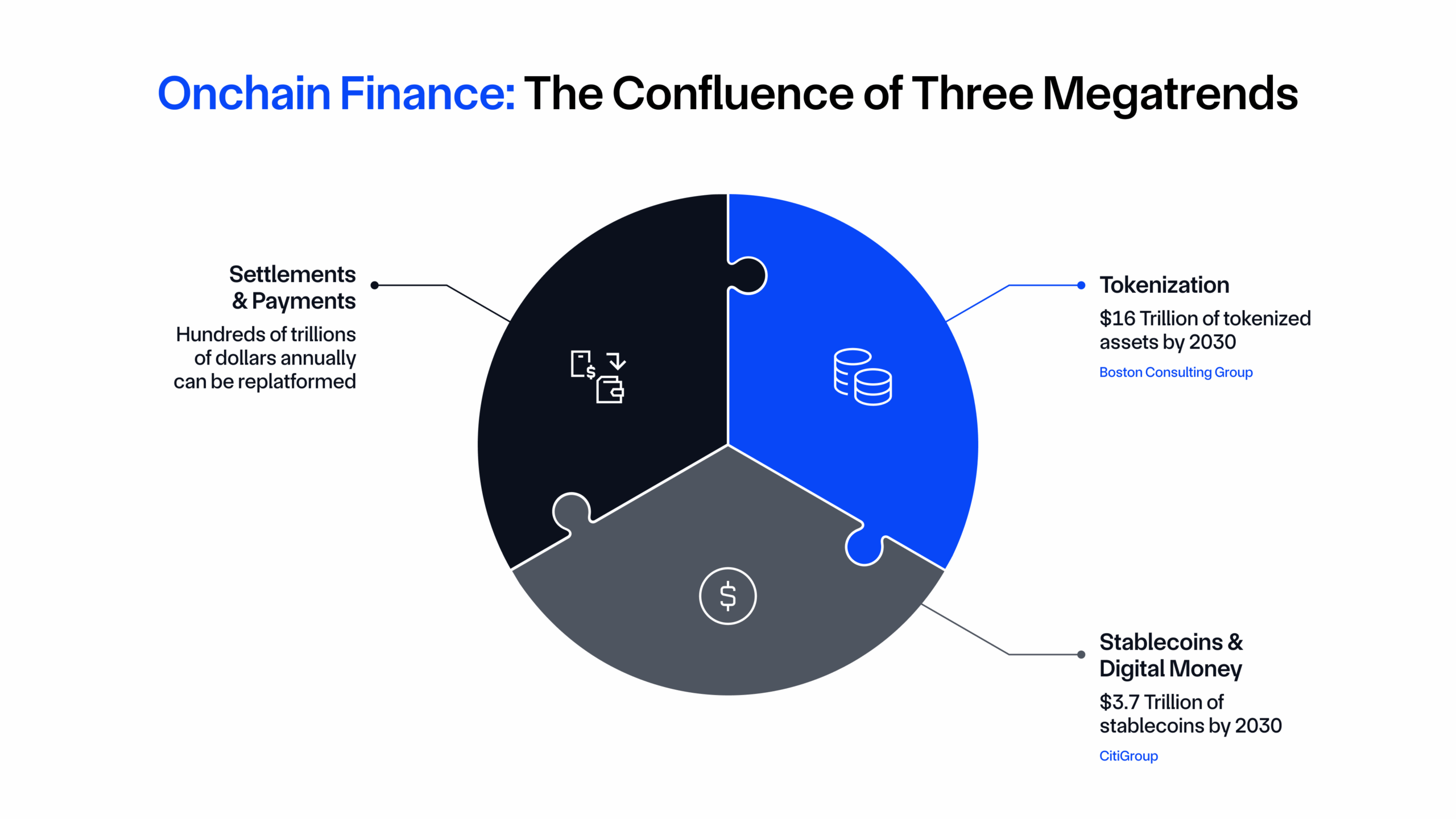
In summary, the USAT launch goes far beyond the introduction of another coin—it’s a pivotal moment in the maturation of cryptocurrency in the U.S. The move reflects an urgent industry need to operate transparently, safely, and compliantly within the heavily regulated American financial system. For Tether, this is both an opportunity and challenge to redefine its brand and secure a critical foothold in arguably the world’s most important market.
As USAT rolls out under Bo Hines’ guidance, the eyes of regulators, investors, and the crypto community will watch closely. The developments in the coming months will likely shape the trajectory of stablecoins and influence the broader adoption of blockchain-based financial systems.
One thing is clear: Tether’s latest move is a landmark event that signals a future where digital currency interfaces smoothly with traditional finance, built upon trust, regulation, and innovation. The USAT launch, marked by strategic leadership and compliance focus, could set the standard for how crypto meets Wall Street and Main Street in the next chapter of money’s evolution.